
“Digital twin” is one of those construction tech phrases that can mean almost anything, depending on who is selling it. Sometimes it sounds like a fully automated, real-time replica of a building that predicts problems before they happen. Sometimes it sounds like a fancy way to describe a BIM model that already exists. Sometimes it is simply a dashboard with a 3D view attached.
The result is predictable: most field teams tune the phrase out, because it rarely shows up as something that makes the job easier tomorrow morning.
The irony is that the core concept is not complicated, and it can be useful. A digital twin becomes valuable when it helps teams answer practical questions with fewer assumptions and less back-and-forth. When it becomes a science project that requires constant feeding and maintenance with unclear payoff, it turns into another tool that nobody has time to keep current.
This article explains digital twins in plain terms, clarifies how they differ from BIM, and lays out the practical requirements and use cases that make the effort worthwhile. The focus is field reality and project execution, not corporate jargon.
What a digital twin is, in plain language
A digital twin is best understood as a managed connection between a digital representation of a facility and the real facility as it exists over time. The “twin” is not just a model. It is the system that keeps the model aligned with reality and useful to the people who need information.
That distinction matters, because a model can be accurate at one moment and become stale quickly. A digital twin, if it is real, includes the workflow and data link that keep it from drifting.
In practical construction terms, a digital twin is often used to answer questions such as: What is installed and where? What changed since last week? What does not match the drawings? What is the current status of a critical system? What needs to be verified before close-in? After turnover, it can answer: What equipment is installed, what are its specs, what maintenance is required, and how can issues be diagnosed without tearing into walls.
Not every project needs that. Some projects do. The point is that “digital twin” should be evaluated based on what it helps teams do, not what it is called.
I’ve watched “digital twin” get sold as everything from a crystal ball to a glorified viewer. Here’s my filter after 20 years: if it doesn’t answer real questions—what’s installed, what changed, what doesn’t match—it’s just a new name for a file nobody will open.
How a digital twin is different from a BIM model
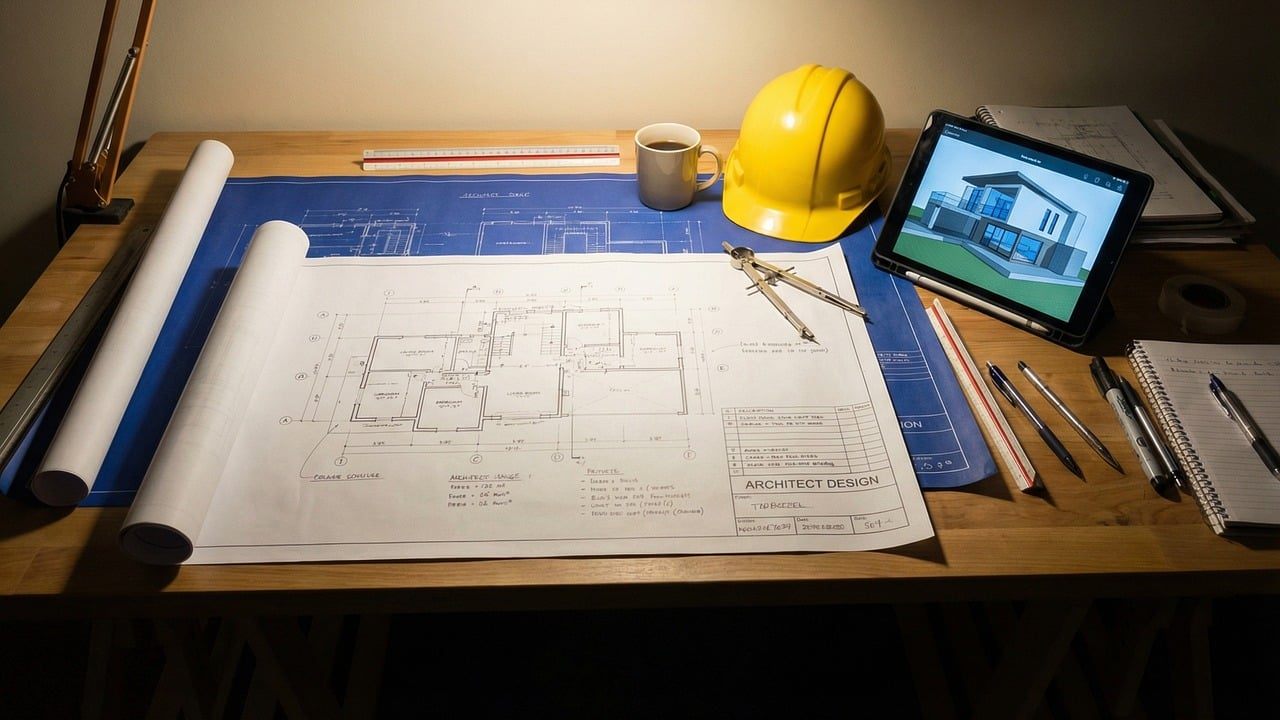
BIM models are typically created to support design and coordination and then handed off as part of deliverables. Even when BIM is used well during construction, it is often treated as a milestone-driven asset. It is updated, checked, and then it moves to the next phase.
A digital twin is different because its value depends on ongoing alignment. The twin is only valuable if it reflects the facility as it is built and as it changes. That means the twin is not purely a design artifact; it is an operational asset.
The practical difference is that BIM can exist without regular verification. A digital twin cannot. A twin requires processes that keep it current: as-built updates, reality capture verification, asset data management, and governance around who changes what and when.
This is also why digital twins are often oversold. Many projects can produce a BIM model and an as-built record. Far fewer projects have the appetite to maintain a live system over time. When a vendor calls a static model “a digital twin,” it creates confusion and disappointment.
I’ve delivered great BIM models that got handed off and never touched again. That’s normal. A twin is supposed to be a system, not a deliverable. If nobody owns keeping it current, it won’t stay current. And the second it’s stale, the field stops trusting it.
The field value: what digital twins can actually help with during construction
If digital twins are going to matter to field execution, they have to show up in workflows that reduce uncertainty. That usually lands in a few practical areas.
1. Progress verification and discrepancy detection
On many projects, the biggest day-to-day friction is not that teams lack information. It is that teams lack certainty. Drawings, models, and schedules say one thing. The site condition is another. Crews arrive expecting an area to be ready, only to discover conflicts that were not communicated clearly. The project burns hours in discovery and re-sequencing.
A well-run digital twin approach can support progress verification, especially when it is paired with reality capture. Instead of relying solely on reports and photos, teams can verify whether critical areas match coordination intent, whether sleeves and penetrations are correct, and whether installation has drifted from the plan.
Illustrative example: A project uses periodic reality capture of above-ceiling work and links it to a coordinated model environment. During a check, the team identifies that a run is installed slightly out of position, which will compress clearance for the next trade. The issue is corrected before close-in, avoiding an RFI cycle and late rework.
This is not futuristic. It is simply a higher-quality verification loop.
2. Reducing “where is the latest information?” churn
A common failure in construction information management is not that the project lacks data. It is that the data is fragmented. The field needs to know which version is current, what changed, and what to trust. When the answer is unclear, teams either pause or make assumptions. Both are expensive.
Digital twin workflows can reduce churn by establishing a structured source of truth for certain decisions. The twin does not need to hold everything. It needs to hold what matters most, especially in high-risk zones and milestone-driven scopes.
3. Supporting handoff and turnover requirements
Owners and facility teams increasingly want better turnover information. The traditional closeout binder approach is often incomplete, hard to navigate, and quickly disconnected from reality after the first change. A digital twin, done properly, can organize asset information in a way that remains usable.
The key is that “asset information” is not just equipment location. It includes model references, manufacturer data, O&M documentation, maintenance schedules, and the ability to see systems in context.
This is where digital twins often have their strongest long-term business case, particularly for complex facilities where long-term operations depend on accurate knowledge of what was installed.
The field doesn’t need a “twin.” The field needs fewer surprises. I’ve seen projects burn days because crews showed up to an area that wasn’t ready, or the install drifted early and nobody caught it until close‑in. If capture and verification help you catch drift before it becomes rework, that’s real value. If it’s just another platform, it won’t last.
The hidden requirement: digital twins demand governance, not just technology
The reason many digital twin initiatives fail is that they are treated like a software deployment. In reality, a twin is a governance and workflow commitment. The technology is the easy part.
A twin needs clear ownership. Who is responsible for keeping it current? Who approves updates? What is the source of truth when information conflicts? What is the update cadence? What verification method is used? Without clear answers, the twin drifts, and drift destroys value.
A twin also needs scoped purpose. Projects that attempt to twin “everything” often fail because the effort becomes too large. Projects that focus on specific outcomes—critical systems, high-risk zones, key assets—are more likely to sustain the work and realize value.
Finally, a twin needs a realistic data strategy. Not all data is equally valuable. Some teams get pulled into collecting data because it is possible, not because it will be used. That creates overhead and reduces adoption.
I’ve seen digital twin efforts die the same way over and over: everyone gets excited about the tech, and nobody owns the workflow. The best twin is the one facilities will actually use. If the owner isn’t prepared to maintain it, don’t build something that needs constant feeding to stay alive.
What data matters, and what often becomes waste
The most valuable twin data is usually the data that directly supports decisions. During construction, that often includes verified as-built conditions for critical areas, progress status tied to milestone decisions, and clear references for issue resolution.
For facility management, the valuable data often includes equipment metadata, service requirements, warranty information, and system relationships.
The data that becomes waste is often data collected without a user. If no one is responsible for acting on it, it becomes a maintenance burden. If the field is expected to manually populate extensive fields without clear benefit, adoption will decline.
Illustrative example: A project attempts to collect extensive asset metadata for every installed component. Field teams find it burdensome, and the dataset remains incomplete. In a more disciplined approach, the project focuses on major maintainable assets and system-level documentation that facilities teams will actually use. The dataset is smaller but reliable, and it remains usable after turnover.
Reliability beats volume.
I’ve watched teams collect mountains of data because a platform made it possible—then nobody used it. A twin doesn’t need every detail. It needs accurate, decision-grade information where it matters. Reliability beats volume every time.
When digital twins are worth it—and when they are not
Digital twins are most likely to be worth the effort when the facility has long-term operational complexity, high lifecycle cost, or meaningful risk associated with unknown conditions. Healthcare, higher education, industrial facilities, and large multi-tenant buildings often fall into this category, especially where maintenance, compliance, and upgrades depend on accurate system knowledge.
Digital twins can also be worth it on projects where verification is critical during construction, such as complex MEP systems and congested environments where late corrections are extremely expensive.
They are less likely to be worth it when the building is simple, the operational needs are straightforward, and the organization is not prepared to maintain the twin. A digital twin that is not maintained is not an asset. It is a snapshot that becomes stale, often faster than anyone expects.
Digital twins don’t fail because the model is bad. They fail because nobody owns keeping it true. No ownership means drift. Drift means nobody trusts it. And once trust is gone, adoption is gone.
The practical takeaway: focus on outcomes, not terminology
The construction industry does not need more buzzwords. It needs clearer systems for making decisions with less uncertainty. Digital twins can support that when they are treated as a disciplined connection between model and reality, with clear ownership and scoped purpose.
The most practical way to think about digital twins is not as a technology category, but as a quality-control loop. When the loop is tight—reality capture, verification, as-built alignment, and usable asset information—teams reduce surprises and owners gain long-term value. When the loop is loose—unclear ownership, uncontrolled scope, and data collected without a user—the twin becomes overhead.
The concept is sound. The execution determines whether it becomes useful or forgettable.
Don’t chase the label. Chase reliability. If the digital record stays accurate enough to prevent surprises and help operations, it’s worth doing. If it’s going to drift, it’ll become shelfware—every single time.
CONTACT US if you would like to talk about this with us.